
REUTRS
In a historic move, Hungary will soon start releasing tens of thousands of Communist-era police files in an online public database, giving people access to lists of informers and collaborators used by the former state security services.
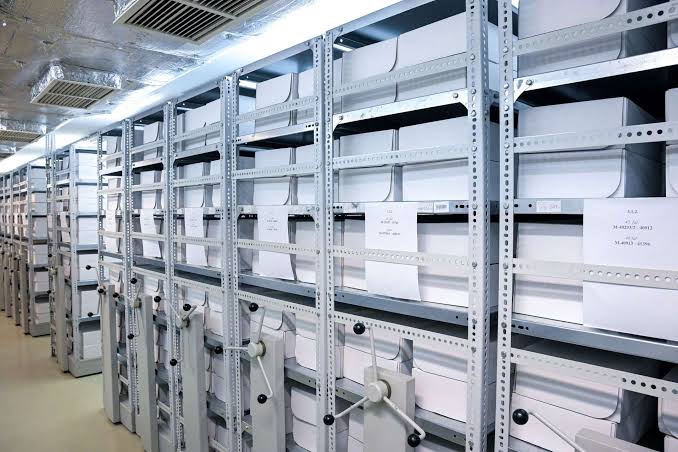
The release, timed for the 70th anniversary of Hungary’s 1956 anti-Soviet uprising, is part of Prime Minister Peter Magyar’s pledge to make the records, stored in a vast basement of archives in Budapest, public and allow Hungarians to come to terms with their totalitarian past.
Although Communist rule ended in 1989, Hungary delayed fully opening the files due to a lack of strong political will from successive governments. So far, apart from researchers, ordinary people could only request access to their own records or those of close family members but now anybody will be able to conduct searches in the online database.
During the Cold War, secret police agencies in eastern Europe such as East Germany’s Stasi or Hungary’s security services relied on collaborators drawn from the public, often via blackmail, threats or rewards. Between 1956 and 1989 some 55,000 secret collaborators were recorded in Hungary.
They monitored friends, family members, neighbours and co-workers to detect signs of dissent and Western influence — and their reports often led to arrests and interrogation.
Many flats in downtown Budapest — called K-flats or conspiracy flats — served as locations for meetings between secret police officials and civilian collaborators.
MUSIC BANDS TARGETED
In the 1980s, informants attended concerts in Budapest’s underground rock scene that attracted youthful crowds and were seen by the authorities as potentially subversive.
Peter Muller “Sziami”, still an iconic figure in today’s music scene, recalls his band Kontroll Csoport (group) performing in 1983 a song he had written titled “Informers and Provocateurs”.
“In our own way,” the lyrics read, “we keep watch too: the one standing in front of you is our man — you’ve blushed, you’ve been exposed, informers and provocateurs.”
“And then we turned spotlights on the crowd and we saw the audience of around 1,000 people spinning around, looking to see who could be the informers,” Muller, 74, said in his studio, smiling mischievously.